Reviewing Happy Easter Double Applique for Real Projects
As a designer who has spent countless hours staring at digitizing software and even more time watching needles punch through fabric, I have learned that not every machine embroidery design is created equal. Some are technically perfect but visually boring, while others are charming but nightmare to stitch. When I first loaded the Happy Easter Double Applique file into my viewer, I was looking for that sweet spot between aesthetic appeal and practical usability. This isn’t just about whether it looks cute on a screen; it is about how it performs when you are trying to meet a deadline for a client or stock your online shop before the holiday rush.
First Impressions and Visual Personality
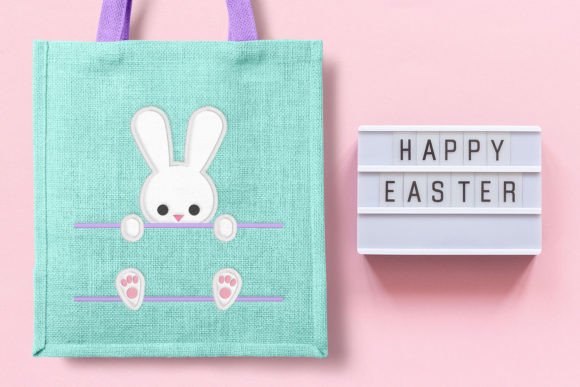
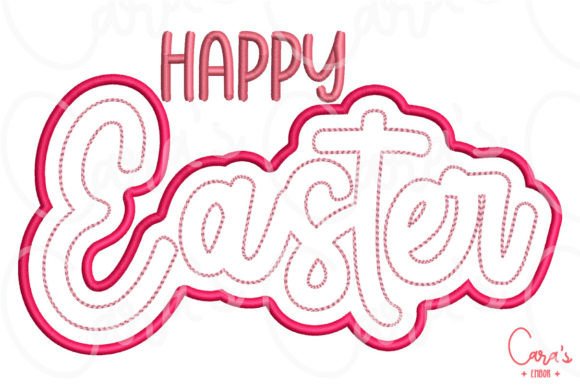
The immediate mood of this design is playful yet structured. The term "double applique" suggests a layered approach, which usually means more visual depth than a standard flat stitch-out. In my experience, applique designs are fantastic for keeping stitch counts manageable while maximizing impact. The layout feels balanced, avoiding the cluttered look that plagues many seasonal motifs. It creates a sense of whimsy that fits perfectly within the Easter theme without relying on overly complex shading or tiny, fragile details that might break during wear.
For an embroidery project intended for home decor or apparel, this visual personality is crucial. It needs to read clearly from a distance but hold up under close inspection. The shapes appear distinct, suggesting that the applique design elements will lay flat if hooped correctly. This is a vital consideration because warped applique can ruin the professional look of a handmade product.
Real-World Application: The Tote Bag Test
To truly evaluate a design, I mentally place it on a specific product. Let’s consider a custom canvas tote bag, a staple for any Etsy seller or craft fair vendor during spring. Canvas is a sturdy fabric, but it has a visible weave. A design like Happy Easter Double Applique works well here because the solid areas of the applique cover the texture effectively, providing a clean background for any additional stitching or text.
If I were producing this for a boutique, I would pair it with a pastel thread palette for the satin borders. The contrast between the fabric of the applique patch and the base material adds a tactile element that customers love. It elevates a simple bag into a personalized gift that feels thoughtful and high-quality. However, because resizing or editing is not recommended, you must ensure the original size fits your intended placement. On a tote, centering it might work, but on a smaller item, you might need to adjust your hoop strategy rather than the design itself.
Apparel and Wearability Considerations
Moving from accessories to custom apparel, such as a children’s sweatshirt or a baby onesie, the stakes change. Stretchy fabrics require careful attention to stabilizer choice. Since this is an applique design, the bulk is reduced compared to a full fill-stitch motif, which is a significant advantage for comfort. No child wants a stiff, heavy patch on their chest.
However, you must be mindful of the stitch density around the edges. If the satin stitch border is too dense, it can cause puckering on thin jersey knits. I always recommend testing on scrap fabric of the exact same weight and stretch as your final garment. For baby embroidery, softness is paramount. Ensure the backing of the applique fabric is smooth and does not irritate sensitive skin. This design’s structure seems conducive to a clean finish, provided you use a cut-away stabilizer for durability through multiple washes.
Navigating Technical Constraints
The product description explicitly states that resizing or editing is not recommended. This is a critical constraint for designers. Many buyers assume they can shrink a design to fit a pocket or enlarge it for a pillow cover, but doing so can distort the stitch paths and ruin the registration of the applique pieces. With Happy Easter Double Applique, you must work within the provided dimensions. This means selecting projects that match the scale of the file.
For example, this design might be too large for a standard cap front panel but perfect for a kitchen towel or a pillow cover. If you are an apparel decorator, consider placing it on the back of a jacket or the lower hem of a dress where space is less restricted. Understanding these limitations upfront saves time and prevents wasted materials. Always check the included files to confirm the hoop size requirements before starting your machine.
Fabric and Thread Choices
The success of any embroidery file depends heavily on material selection. For this design, I recommend using fabrics with a tight weave for the applique patches themselves to prevent fraying under the satin stitch border. Cotton, linen, or felt work beautifully. Avoid loosely woven fabrics unless you plan to use a fusible web underneath for extra stability.
Thread color contrast is another key factor. Since the design relies on shape and layering, choose thread colors that stand out against both the applique fabric and the base material. A monochromatic look can be sophisticated, but for a holiday item, vibrant contrasts often drive higher engagement in digital product previews and physical sales. Test your thread colors on both light and dark backgrounds to ensure visibility.
Commercial Viability and Brand Consistency
For small business owners, consistency is key to building trust. A design that stitches out cleanly every time becomes a reliable asset in your portfolio. Happy Easter Double Applique offers a professional look that can enhance brand perception. When customers see precise stitching and well-placed applique, they associate that quality with your entire shop.
This design is suitable for various commercial embroidery applications, from branded corporate gifts to limited-edition holiday runs. It adds value without requiring excessive machine time, which helps maintain healthy profit margins. However, always verify the licensing terms included with the digital embroidery file. While many designs allow for finished product sales, some restrict digital redistribution. Confirming this ensures you stay compliant while growing your craft business.
Final Designer Notes
Before committing to a full production run, take these practical steps:
- Test on scraps: Always stitch a sample on the actual fabric you intend to use.
- Check stabilizer: Use appropriate stabilizer for the fabric weight to prevent puckering.
- Verify hoop size: Ensure your machine hoop accommodates the design without re-hooping.
- Inspect details: Look for any loose threads or misaligned layers after the test stitch.
- Mockup usage: Create printable mockup images to show customers how the design looks on different products.
In conclusion, Happy Easter Double Applique is a solid choice for designers looking for a reliable, visually appealing motif for spring projects. It balances charm with technical practicality, making it suitable for everything from tote bag design to sweatshirt embroidery. By respecting its sizing constraints and choosing the right materials, you can create stunning finished product items that delight customers and streamline your workflow. Whether you are a hobbyist making gifts or a professional managing a small shop product line, this design earns its place in your library.