You Me Happy: A Designer’s Review for Real Embroidery Projects
As a designer who has spent countless hours digitizing and stitching out thousands of files, I have developed a keen eye for what works in the real world. We often see beautiful previews on white backgrounds, but the true test of any machine embroidery design is how it behaves on actual fabric, under the needle, and in the hands of a customer. Recently, I evaluated You Me Happy, a charming piece from the Valentine S Day category, to determine if it holds up for professional use in a craft business or personal project.
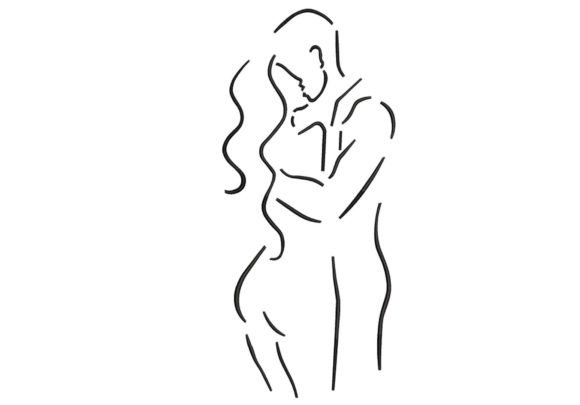
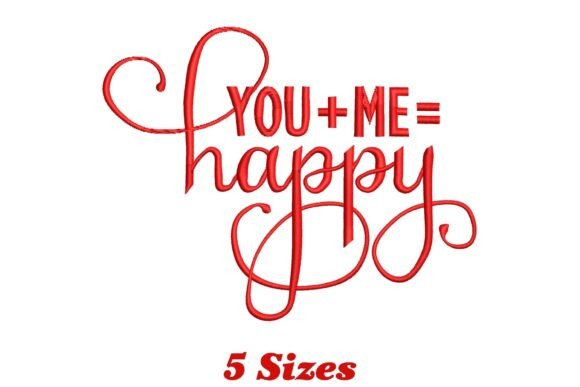
The first impression of You Me Happy is one of lighthearted whimsy. It does not rely on heavy, dense fills or overly complex shading. Instead, it offers a clean, approachable aesthetic that feels modern yet timeless. For an embroidery product reviewer, this simplicity is often a strength. Complex designs can look muddy on textured fabrics, but a design with clear lines and balanced spacing, like this one, tends to translate well across various materials. The mood it creates is inviting and cheerful, making it an excellent candidate for projects that aim to spread joy rather than just display technical prowess.
Real-World Application: The Tote Bag Test
To truly understand the viability of this design, I imagined a specific scenario: creating a custom embroidered tote bag for a local boutique. Tote bags are notorious for their coarse weave and tendency to shift during stitching. When visualizing You Me Happy on a canvas tote, the layout appears robust enough to handle the texture. The design’s personality shines through without getting lost in the fabric’s grain.
This same logic applies to other popular items. For sweatshirt embroidery, the design would sit comfortably on the chest or sleeve, offering a subtle pop of character. On a t-shirt, which is often thin and stretchy, the open nature of the design suggests it would not cause excessive puckering, provided the right stabilizer is used. It is also a strong contender for baby embroidery projects, such as onesies or burp cloths, where softness and visual clarity are paramount. Parents and gift-givers alike appreciate designs that feel gentle and happy, and this piece delivers that emotional resonance effectively.
Performance Across Different Fabrics and Hoops
One of the critical aspects of evaluating any embroidery file is understanding its limitations. While You Me Happy is versatile, it requires careful consideration when applied to challenging surfaces. For instance, on curved surfaces like caps or hats, the design’s width must be checked against the hoop size. If the design is too wide, it may distort around the curve of the cap. Similarly, for small hoop sizes, such as 4x4 inches, you must ensure the details remain legible. Tiny lettering or intricate corners can become blurred if the stitch density is too high for the scale.
When working with dark fabrics, thread color contrast becomes essential. A whimsical design relies on visibility. If you are stitching on navy or black, using bright, contrasting thread colors will ensure the playful elements stand out. Conversely, on light fabrics, you might opt for softer pastels to maintain the gentle vibe. Always test the design on scrap fabric first. This step allows you to check thread color contrast, review stitch density, and confirm that the hoop size accommodates the design without trimming issues.
Commercial Viability for Etsy Sellers and Small Shops
For Etsy sellers and small shop product creators, the commercial appeal of a design is crucial. You Me Happy fits well into the category of impulse buys and personalized gifts. It is the type of design that encourages customers to imagine their own names or messages alongside it, although this specific file may be standalone. Its versatility makes it a valuable asset for holiday embroidery collections, particularly for Valentine S Day, but its cheerful nature extends its usability beyond February.
Using this design in commercial embroidery projects can enhance brand consistency if your shop focuses on joyful, handmade items. It adds a layer of professionalism and thoughtfulness to finished products. Whether you are selling embroidered patches, aprons, or pillow covers, the design’s clean lines contribute to a high-quality appearance. Customers often associate crisp, well-executed stitching with higher value, and a design that stitches out cleanly helps build that trust.
Technical Considerations and Best Practices
Before committing to a large production run, there are several practical steps every designer should take. First, inspect the stitch types used in the file. Does it rely heavily on satin stitch for outlines, or does it use fill stitch for larger areas? Satin stitches provide a shiny, smooth finish but can snag if too long. Fill stitches add texture and durability but increase stitch count and time. Understanding the balance in You Me Happy will help you choose the right thread weights and needles.
Stabilizer choice is another non-negotiable factor. For stretchy fabrics like t-shirts, a cut-away stabilizer is often recommended to prevent distortion over time. For woven fabrics like towels or aprons, a tear-away might suffice, but always consider the end-use. If the item will be washed frequently, such as a kitchen towel or baby item, the stability of the stitching is vital. Ensure the design is digitized with proper underlay stitches to anchor it securely to the fabric.
Additionally, check the licensing terms before selling finished items or digital products. Not all digital embroidery file providers allow commercial use, and those that do may have specific restrictions. Confirming these details protects your business and ensures you are respecting the creator’s rights. If you are creating printable mockups or design assets for your online store, make sure the preview images accurately represent the stitched result. Misleading previews can lead to customer dissatisfaction.
Final Verdict on You Me Happy
In conclusion, You Me Happy is a solid addition to any designer’s library. It offers a blend of charm and practicality that suits a wide range of applications, from custom apparel to home decor. Its whimsical touch brings personality to any item, making it a favorite for those looking to add a fun element to their work. By paying attention to fabric texture, hoop size, and stabilizer choices, you can ensure that every stitched piece meets professional standards. Whether you are a hobbyist creating gifts or a seasoned entrepreneur building a brand, this design provides a reliable foundation for creative expression.