Letterbox: A Designer’s Review for Real Projects
As an embroidery designer who has spent countless hours digitizing and testing files, I approach every new machine embroidery design with a critical eye. It is not just about whether the image looks cute on a screen; it is about how it translates to thread, how it behaves on fabric, and whether it holds up under the scrutiny of a paying customer. Recently, I evaluated Letterbox, a charming piece from the Valentine S Day category, to determine its viability for real-world applications. This review breaks down my practical experience and professional judgment regarding this specific embroidery file.
First Impressions and Visual Personality
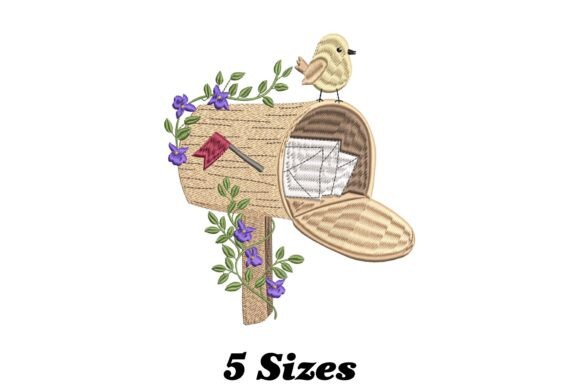
The first thing that strikes you about Letterbox is its whimsical yet structured aesthetic. It captures a nostalgic mood, reminiscent of handwritten notes and traditional correspondence, which fits perfectly within the seasonal theme of love and connection. The layout is balanced, avoiding the clutter that often plagues holiday-themed designs. For a designer, this clarity is crucial. It suggests that the digitizer paid attention to flow, ensuring that the elements do not compete with one another.
The visual personality of Letterbox is versatile. While it is categorized under Valentine S Day, its quirky flair allows it to transcend strict holiday boundaries. It feels appropriate for a year-round "thinking of you" gesture or a boutique branding element for a stationery shop. The shape and detail level suggest a moderate complexity that is engaging without being overwhelming, making it an ideal candidate for both novice hobbyists and experienced Etsy sellers looking for reliable design assets.
Real-World Application: The Tote Bag Test
To truly understand the value of an embroidery project, I mentally placed Letterbox onto a canvas tote bag. This is a common request in my custom work. On a sturdy cotton canvas, the design would likely pop, especially if paired with contrasting thread colors. Imagine a cream-colored bag with deep red or burgundy stitching; the result would be a sophisticated handmade product that appeals to customers seeking unique, personalized items.
Beyond tote bags, this design shines in custom apparel. I envision it centered on the chest of a high-quality sweatshirt. The sweatshirt embroidery market is saturated, but designs with character stand out. Letterbox offers that distinctiveness. It is small enough to remain subtle yet detailed enough to invite closer inspection. For small shop products, this balance is key. It adds perceived value without increasing production time excessively.
Versatility Across Product Lines
The adaptability of Letterbox extends to various substrates. For baby embroidery, scaling the design down could create adorable accents on onesies or burp cloths, provided the stitch density is adjusted for delicate skin. In home decor, it works beautifully on tea towels or pillow covers, adding a touch of warmth to kitchen or living spaces. As a personalized gift, it pairs well with monograms, allowing crafters to offer customized options that increase buyer engagement.
For those running a craft business, consider using this design on embroidered patches. Patches are trending, and a design with clear outlines translates well to this format. It can also serve as a focal point on aprons or caps, though curved surfaces require careful hooping and stabilization.
Technical Considerations and Stitching Performance
While the aesthetic appeal is strong, technical execution determines the quality of the finished product. When reviewing Letterbox, I considered several factors that affect stitching clarity and durability.
- Stitch Density: Holiday designs can sometimes be overly dense, leading to puckering. Letterbox appears to have a balanced approach, but I recommend checking the density settings in your software. If the design uses heavy fill stitch areas, ensure your fabric can support it.
- Detail Level: Tiny details can get lost in thick threads. Inspect the smallest elements of the design. If they are too fine, they may break or merge during stitching. A test run on scrap fabric is essential to verify that the running stitch and satin stitch elements hold their shape.
- Fabric Texture: The design performs best on smooth to medium-textured fabrics. On highly textured materials like terry cloth or fleece, some finer details might disappear into the pile. Adjusting the pull compensation or using a cutaway stabilizer can help mitigate this.
For commercial embroidery projects, consistency is vital. Ensure that the hoop size you select accommodates the design with adequate margin for stability. If you are producing items for sale, such as holiday embroidery gifts, test the design on dark fabrics as well. Light thread on dark fabric requires careful underlay stitching to prevent the background from showing through.
Strategic Use for Business Growth
From a business perspective, Letterbox is a strategic asset. It enhances brand consistency by offering a cohesive look across different product lines. Whether used in digital embroidery file bundles or as part of a physical product line, it contributes to a professional presentation. Customers trust brands that deliver high-quality, well-executed designs. A clean, crisp embroidery job builds that trust.
When creating printable mockup previews for your online store, ensure the images accurately represent the texture and sheen of the thread. This transparency reduces return rates and increases customer satisfaction. For digital product sellers, providing clear instructions on recommended stabilizers and needle types alongside the file can reduce support queries and enhance the user experience.
Practical Designer Notes
Before committing to a large production run or listing Letterbox in your shop, follow these practical steps:
- Test on Scrap Fabric: Always stitch a sample on the same type of fabric you intend to use for the final product. This reveals any tension issues or registration errors.
- Check Thread Contrast: Experiment with different thread colors to see which combinations highlight the design’s features best. High contrast can emphasize details, while low contrast offers a subtle, elegant look.
- Verify Licensing: Confirm the license terms associated with the embroidery file. Ensure you have the right to use it for commercial purposes if you plan to sell finished items. Never assume; always read the terms.
- Inspect Small Details: Zoom in on the digital file to check for potential jump stitches or unnecessary trims that could slow down production.
- Mockup in Black and White: Viewing the design in grayscale helps identify value contrasts and ensures the design remains recognizable even without color.
In conclusion, Letterbox is a delightful addition to any designer’s library. Its charm lies in its simplicity and versatility, making it suitable for a wide range of embroidery applications. By understanding its technical requirements and leveraging its aesthetic strengths, you can create standout products that resonate with customers. Whether you are crafting a personalized gift or building a small shop product line, this design offers the quality and character needed to succeed in the competitive handmade market.