Easter Egg Feltie: A Designer’s Review for Merch
As an embroidery designer who has spent years digitizing and reviewing files for commercial use, I approach every new machine embroidery design with a critical eye. It is not just about whether the image looks cute on a screen; it is about how that design translates to fabric, withstands wear, and ultimately serves a brand’s identity. Today, I am reviewing the Easter Egg Feltie, a digital asset that promises to embellish fabrics with whimsy and charm. For small business owners, Etsy sellers, and boutique creators, understanding the practical application of this file is crucial before adding it to your product line.
First Impressions: Visual Personality and Brand Fit
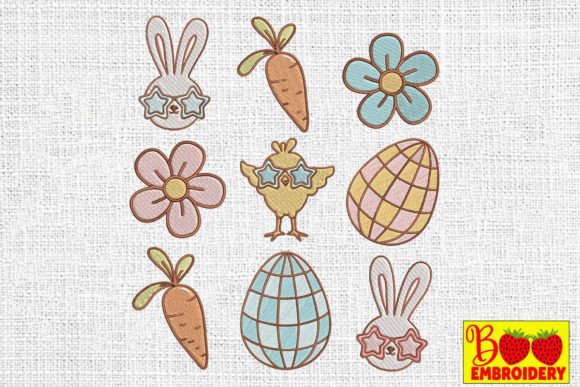
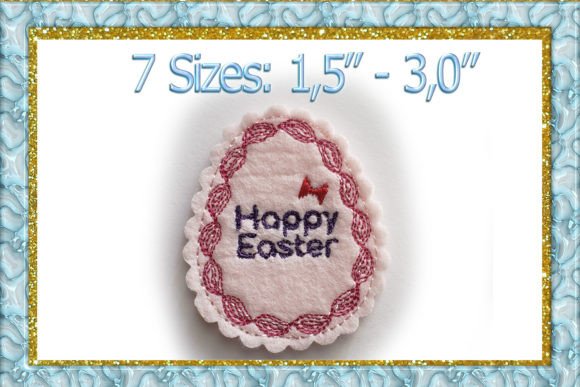
The title Easter Egg Feltie immediately suggests a soft, approachable aesthetic. The description notes that this design is perfect for adding a touch of whimsy to towels, pillows, and home decor. From a branding perspective, this tells me the design leans heavily into the "handmade" and "friendly" categories rather than corporate or ultra-modern minimalism. It feels decorative and playful, which makes it an excellent candidate for businesses that want to project warmth and creativity.
For a local bakery, a florist, or a children’s boutique, this visual personality aligns perfectly with customer expectations. However, for a high-end tech firm or a rugged outdoor gear brand, this might feel too delicate. The key here is context. When I review a digital embroidery file like this, I look for versatility. Does it work as a standalone statement piece, or does it need to be part of a larger composition? The "feltie" style often implies clean lines and solid fills, which can be advantageous for clarity at smaller sizes.
Real-World Applications for Small Business Merch
Let’s move beyond theory and discuss where the Easter Egg Feltie actually performs well in a commercial setting. If you are running a creative studio or a handmade shop, this design can elevate your small business merch significantly.
- Embroidered Patches: This is perhaps the strongest use case. A felt-style design translates beautifully into a patch format. You can stitch these onto denim jackets, canvas tote bags, or even laptop sleeves. Patches allow customers to buy a low-cost entry point into your brand while displaying their loyalty.
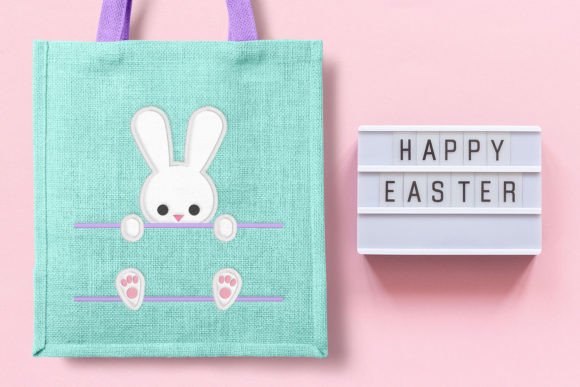
- Apron Embroidery: For cafes and bakeries, staff uniforms are walking billboards. Placing this design on the chest pocket or the lower corner of an apron adds a personalized touch that customers notice. It signals attention to detail and care.
- Tote Bag Design: Canvas totes are staples for eco-conscious brands. The whimsical nature of an Easter-themed egg works year-round if positioned as a general symbol of renewal or creativity, not just for the holiday season. It breaks up the monotony of plain fabric.
- Cap Embroidery: While caps have limited space, a simplified version of this design could work on the side panel or as a small accent on the front. It offers a subtle nod to your brand without overwhelming the wearer.
Using this design on custom apparel like t-shirts or hoodies requires careful placement. It works best as a left-chest logo or a sleeve detail rather than a large back print, maintaining its charm without losing definition.
Technical Considerations and Production Challenges
Before you load this embroidery file into your machine for a bulk order, there are technical factors to consider. The description mentions it comes with specific attributes, but as a professional, I must advise you to verify the stitch density and file formats. High-density designs can cause puckering on lightweight fabrics, while low-density designs may look sparse on thick materials.
Here are my practical designer notes for testing the Easter Egg Feltie:
- Test in Black and White First: Color can distract from structural issues. Stitch the design in a single thread color to check for gaps, jumps, or uneven spacing.
- Check Scalability: Can it be reduced to one inch for a hat without turning into a blob? Can it be enlarged for a pillow without looking pixelated or having long, loose stitches? Always test the extremes of your intended hoop size.
- Fabric Texture Matters: The description suggests towels and pillows. These are textured surfaces. Ensure your stabilizer choice matches the fabric weight. A cut-away stabilizer is often safer for items that will be washed frequently, like towels.
- Thread Color Contrast: Whimsical designs rely on color harmony. Test contrasting thread colors against your base fabric to ensure the design pops. On dark uniforms, you may need a underlay stitch or a lighter top thread to maintain visibility.
- Create a Printable Mockup: Before stitching a final sample, place the design digitally on a photo of your product. This helps visualize the scale and proportion relative to other design assets in your brand kit.
If the file details such as exact stitch count or specific hoop compatibility are not explicitly clear in the provided metadata, do not guess. Contact the seller or check the license terms to confirm commercial usage rights. Never assume a free or low-cost file includes a commercial license for physical goods.
Impact on Brand Identity and Customer Trust
Why does the choice of an embroidery design matter for your bottom line? Because consistency builds trust. When a customer sees the same high-quality embroidered patch on your packaging, your website, and your staff’s aprons, it reinforces brand identity. The Easter Egg Feltie, with its charming aesthetic, can humanize your brand. It suggests that you value craftsmanship and joy, which are powerful emotional drivers for buyers of handmade product lines.
However, professionalism is key. A poorly stitched design damages credibility. If the threads break, the design distorts, or the colors fade after one wash, the perceived value of your finished product drops. Therefore, treating this design as a serious component of your commercial embroidery strategy is essential. It is not just decoration; it is a mark of quality.
Final Verdict for Merch Creators
The Easter Egg Feltie is a strong contender for businesses looking to add a layer of personality to their merchandise. It excels in applications where warmth and approachability are desired, such as boutique retail, hospitality, and creative services. By carefully managing the technical execution—choosing the right stabilizer, testing on actual fabric, and respecting size limitations—you can transform this digital file into a tangible asset that drives engagement.
Remember to always verify the licensing for commercial use and request any missing technical specs like stitch count or recommended needle type. With proper preparation, this design can become a staple in your seasonal collection or a year-round signature element for your brand. Embrace the whimsy, but anchor it in professional production standards.