Toolbox Essentials: A Designer’s Review for Craft Fairs
As an embroidery designer who has spent countless weekends behind a booth table, I know that the difference between a browser and a buyer often comes down to visual impact and perceived quality. When I first loaded the Toolbox Essentials machine embroidery design into my software, I was looking for more than just cute aesthetics. I was evaluating its potential as a high-converting craft fair product. This design promises to bring charm to fabrics with a playful touch, but does it hold up under the scrutiny of a busy marketplace? Let’s break down how this Work-themed Embroidery asset performs in the real world.
First Impressions and Visual Appeal
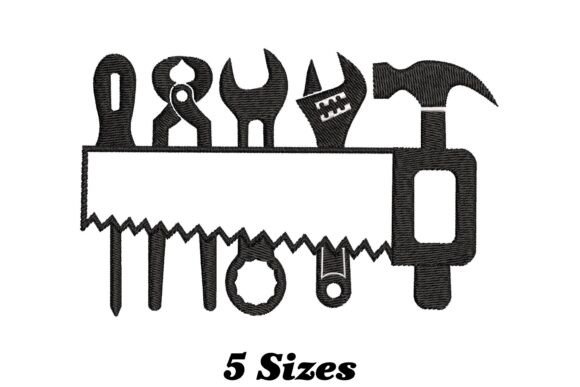
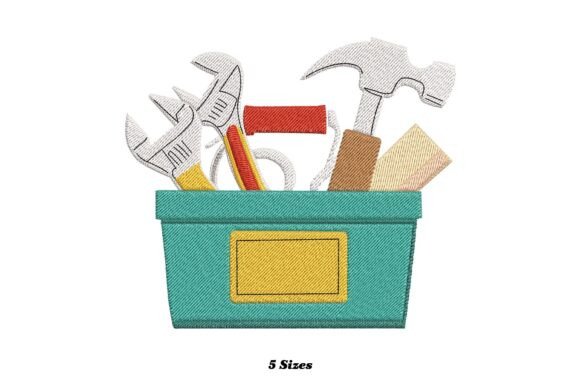
The title Toolbox Essentials suggests a theme that is both practical and whimsical. In a market saturated with floral and farmhouse motifs, a design that leans into a playful, work-inspired aesthetic can stand out significantly. My initial assessment is that this design feels modern yet approachable. It avoids being overly industrial, instead opting for a fun, whimsical vibe that appeals to a broad audience, from DIY enthusiasts to professional tradespeople who appreciate handmade gifts.
For a craft fair seller, clarity is king. Customers walking past your booth have seconds to register what they are seeing. Toolbox Essentials appears to have strong lines and recognizable shapes, which is crucial for immediate recognition. It doesn’t rely on tiny, intricate details that get lost from three feet away. This boldness makes it an excellent candidate for items that need to grab attention quickly, such as tote bags or wall hangings.
Strategic Product Placement for Maximum Sales
Choosing the right canvas for your digital embroidery file is half the battle. Based on the description, this design is versatile, but some products will yield higher profit margins and better customer engagement than others.
- Tote Bag Design: This is arguably the strongest application. A sturdy canvas tote with Toolbox Essentials stitched prominently on the front becomes an instant bestseller. It appeals to teachers, makers, and anyone who carries gear. The flat surface of a tote ensures the design lays perfectly without distortion.
- Apron Embroidery: For the home chef or the workshop hobbyist, an apron featuring this playful motif adds personality to a functional item. It transforms a standard kitchen or garage accessory into a unique handmade product.
- Tea Towel Embroidery: While towels are popular, be cautious. The texture of terry cloth can interfere with small stitches. If you choose this route, use a high-pile towel only if the design elements are large enough to remain visible. Otherwise, stick to flat-weave linen or cotton tea towels for crisp results.
- Embroidered Patch: Creating iron-on or sew-on patches allows customers to customize their own jackets or bags. This expands your product line without requiring you to stock multiple garment sizes. It is a low-risk, high-reward small shop product.
Production Practicality and Batch Efficiency
When preparing for a weekend craft fair, time is money. You need designs that are reliable and quick to produce. Toolbox Essentials seems well-suited for batch production. Because it is described as playful and whimsical, it likely avoids excessive satin stitching that can cause puckering on lightweight fabrics. However, as an experienced designer, I always advise checking the stitch density before running a full batch.
If the design has dense areas, ensure you are using the correct stabilizer. For caps, a curved surface requires careful hooping and possibly a different stabilizer combination than flat items like pillow covers or market bags. Always test the design on scrap fabric first. Check thread contrast against your chosen fabric colors. A dark navy thread on a black cap will vanish, while a bright yellow on denim will pop. These small decisions define the perceived value of your finished product.
Navigating Technical Challenges
Even the best digital embroidery file has limitations. Here are some careful-use notes to keep in mind when working with Toolbox Essentials:
- Fabric Texture: Avoid using this design on highly textured fabrics like thick wool or looped terry unless you are certain the details are large enough to survive the texture. Flat-weave cottons and poly-blends are your safest bets for clarity.
- Small Lettering: If the design includes any text, verify its legibility at smaller sizes. Tiny lettering can merge together during stitching, especially if the thread tension is slightly off. Always stitch a test sample at the smallest intended size.
- Curved Surfaces: Stitching on caps or curved pouches can distort the design. Use proper framing techniques and consider resizing the design slightly smaller to accommodate the curve without stretching the stitches.
- Dark Fabric: If stitching on dark garments, ensure your thread colors have enough brightness to stand out. You may need to adjust the color sequence in your embroidery software to optimize visibility.
Boosting Your Online and Offline Presence
For Etsy sellers and creative entrepreneurs, the visual appeal of Toolbox Essentials extends beyond the physical item. It photographs well because of its clear, bold lines. When creating your printable mockup or listing images, ensure the lighting highlights the texture of the stitches. This emphasizes the handmade quality and justifies a higher price point.
Consistency is key for brand building. If your boutique focuses on whimsical, functional art, this design fits seamlessly into your collection. It reinforces your brand identity as a creator of fun, usable art. Whether you are selling the commercial embroidery file itself or the finished product, the versatility of this design assets package allows for diverse marketing angles. You can market it to parents for kids' clothes, to professionals for work gear, or to homemakers for kitchen decor.
Final Designer Notes
Before you commit to producing inventory, remember to verify the technical specifications. The product description mentions it is perfect for various items, but it does not specify exact hoop size, stitch count, or file formats. Always check these details in the download package. Confirm the commercial licensing terms to ensure you are compliant when selling finished goods.
Create at least one real mockup on each type of product you intend to sell. Compare how the design looks on a beige canvas versus a white cotton tee. These small tests prevent costly mistakes and ensure that every item leaving your booth represents the high standard of your craft. Toolbox Essentials has the potential to be a staple in your repertoire, offering a blend of charm and practicality that resonates with today’s handmade market shoppers. With careful attention to fabric choice and stitch quality, this design can become a consistent revenue driver for your small business.