Teddy Bear on Moon: A Craft Fair Best-Seller Review
As an embroidery designer who has spent countless weekends behind a booth table, I have learned that not every cute design translates into a sale. We often fall in love with intricate details that look stunning on a screen but get lost in the chaos of a busy market. Today, I am reviewing the Teddy Bear on Moon machine embroidery design to see if it has what it takes to become a staple in your handmade product line. This is not just about aesthetics; it is about practical production, visual impact, and customer engagement.
First Impressions and Market Appeal
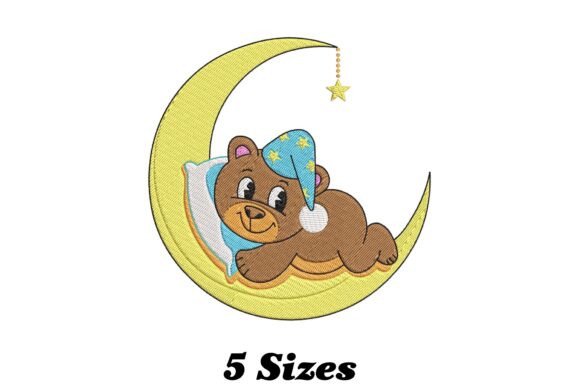
The moment I loaded the Teddy Bear on Moon embroidery file into my software, the charm was immediate. The concept blends whimsical nostalgia with a touch of modern quirkiness. It does not scream "baby shower" exclusively, which is a common trap for teddy bear designs. Instead, it feels versatile enough for home decor, playful fashion, and giftable accessories. For a craft fair seller, this broad appeal is crucial. You want a design that stops a teenager, intrigues a parent, and delights a grandparent.
The description promises a charming update for fabrics, and visually, it delivers. The silhouette of a bear sitting on a crescent moon suggests comfort and dreaming. This emotional connection is what drives impulse buys at handmade markets. When customers see this design, they do not just see thread on fabric; they see a feeling of cozy whimsy. That is the hook you need for a successful craft fair product.
Product Versatility and Placement
To determine the best use for this design, I mentally placed it on various items I typically produce for my small shop. Here is how Teddy Bear on Moon performs across different categories:
- Tote Bag Design: This is arguably the strongest contender. A large hoop placement on a canvas tote makes the design a focal point. It transforms a basic bag into a statement piece that screams "unique handmade item."
- Apron Embroidery: Placed on the bib or the lower pocket, this design adds personality to kitchen wear. It works well for both adult and child sizes, expanding your target demographic.
- Tea Towel Embroidery: For kitchen textiles, scale is key. If the design is too dense, it may pucker the thin fabric. However, if scaled correctly, it makes for an adorable hostess gift.
- Embroidered Patch: Creating iron-on or sew-on patches is a low-risk, high-reward strategy. You can batch-produce these easily. The clear outlines of the bear and moon should translate well to a patch format, provided the stitch density is managed.
- Caps and Hats: Curved surfaces are tricky. The moon’s curve might complement the cap’s shape, but you must ensure the design is not too wide, or it will distort when worn.
For Etsy sellers and digital sellers, this design also offers great potential for printable mockups. A clean, well-digitized image of this design on a neutral background can boost click-through rates on online listings.
Production Practicality and Batch Selling
When preparing for a weekend market, time is money. I evaluate every digital embroidery file based on how quickly I can produce it without sacrificing quality. The Teddy Bear on Moon appears to have a balanced structure. It does not seem overly complex, which suggests reasonable run times. This is vital for creating inventory like pillow covers, market bags, and small pouches in bulk.
Photography is another critical factor. Designs with strong contrast and recognizable shapes photograph better. The distinct shape of the moon against the bear creates a clear silhouette that pops in photos, whether for social media promotion or your Etsy shop. A design that looks muddy or indistinct in photos will struggle to attract online buyers.
Technical Considerations and Careful Use
While the design is charming, there are technical aspects to consider before you start stitching your final inventory. Always check the specific details of your embroidery file, as these can vary by digitizer.
- Stitch Density: Check the density settings. If the moon area is too dense, it may cause puckering on lighter fabrics like t-shirts or tea towels. On heavier fabrics like tote bags, higher density is acceptable and adds durability.
- Fabric Texture: Textured towels can swallow up fine details. Ensure the outline of the bear is bold enough to remain visible on terry cloth. If the design includes tiny details, test it on a scrap piece first.
- Thread Colors: Contrast is king. A dark bear on a dark moon will vanish. Use high-contrast thread colors to make the design stand out. For example, a navy bear on a cream moon, or vice versa, ensures visibility from a distance.
- Stabilizer Choice: Do not skip the stabilizer. For stretchy fabrics like t-shirts, use a cut-away stabilizer to prevent distortion. For woven fabrics like aprons, a tear-away may suffice, but always test first.
- Hoop Size: Confirm the recommended hoop size. Trying to cram a large design into a small hoop can lead to registration errors. Ensure your machine can accommodate the required size for the best result.
If you are using dark fabric, consider using a white or light-colored underlay to make the colors pop. This simple step can elevate the perceived quality of your finished product.
Boosting Brand Consistency and Value
Incorporating Teddy Bear on Moon into your lineup can strengthen your brand identity if you position it correctly. It fits well with brands that focus on cozy, nostalgic, or whimsical aesthetics. Consistency in style helps customers recognize your work. If your booth features a mix of rustic, modern, and cute items, this design bridges the gap between cute and sophisticated.
Furthermore, unique designs increase perceived value. Customers are willing to pay more for a handmade product that they cannot find in big-box stores. By offering this design on high-quality blanks, you justify a higher price point. It signals that you are a serious creative entrepreneur who cares about design assets and quality execution.
Final Designer Notes
Before you commit to producing a full batch of goods, take these final steps. First, stitch out a test sample on the exact fabric you plan to sell. Inspect it for any loose threads or uneven tension. Second, create at least one real mockup or take a high-quality photo of the stitched item to use in your marketing materials. Third, confirm the commercial licensing terms of your machine embroidery design. Ensure you have the right to sell finished products made with this file.
The Teddy Bear on Moon is a promising addition to any embroidery business. It balances charm with commercial viability. With careful attention to thread choice, fabric selection, and production efficiency, it can become a reliable seller in your craft fair booth and online shop. Remember, the goal is not just to embroider a design, but to create a product that tells a story and brings joy to the buyer. This design has the potential to do exactly that.