Stylish Broder: A Designer’s Review for Custom Gifts
As an embroidery designer who has spent countless hours digitizing and testing patterns, I approach every new machine embroidery design with a mix of curiosity and caution. When I first loaded the Stylish Broder file into my software, I was looking for more than just aesthetic appeal; I wanted to know if it could hold up in a real-world retail environment. This review is written from the perspective of someone preparing to use this pattern in a personalized gift shop, evaluating its potential for customer orders, production efficiency, and final product quality.
First Impressions: Charm Meets Versatility
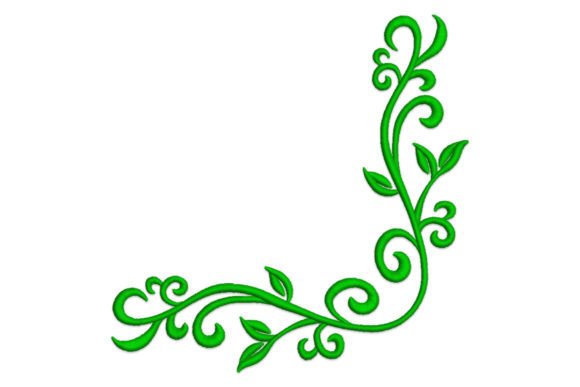
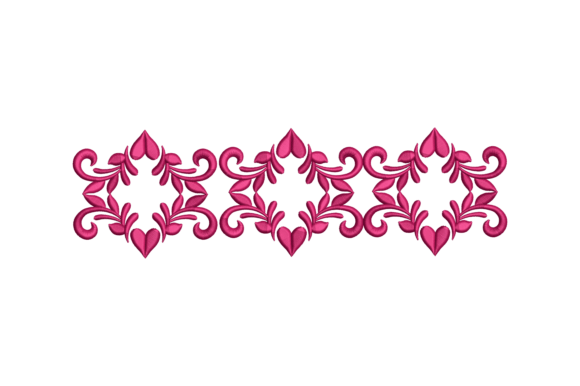
The immediate vibe of Stylish Broder is one of approachable elegance. It does not scream for attention with overly complex shading or aggressive density, but rather invites the viewer in with its adorable charm. For those of us in the Borders category, finding a design that balances decorative flair with functional simplicity is rare. This piece feels both sweet and classic, making it adaptable for a wide range of demographics. It lacks the rigid formality of traditional monograms, offering instead a softer, more handmade feel that resonates with modern buyers seeking authenticity.
When considering the emotional appeal, this design bridges the gap between playful and romantic. It is subtle enough for a sophisticated wedding keepsake yet charming enough for a nursery item. This versatility is crucial for small business owners who need to maximize the utility of their digital library. Instead of buying separate designs for baby showers and bridal parties, Stylish Broder serves as a reliable workhorse for multiple occasions.
Real-World Applications for Personalized Gifts
To truly test the viability of this embroidery file, I imagined several common customer requests. The first scenario involved a new mother looking for a unique baby embroidery project. I visualized Stylish Broder stitched along the hem of a muslin swaddle or the border of a receiving blanket. The open nature of the design allows the soft texture of the fabric to shine through, creating a delicate finish that feels premium without being heavy.
Next, I considered the home decor market. An embroidered towel is a staple for Etsy sellers, and this border design fits perfectly along the edge of a kitchen hand towel or a bath sheet. Unlike center-focused motifs, border designs require careful placement, but they add a level of customization that transforms a generic textile into a personalized gift. I also pictured this on a canvas tote bag, where the sturdy fabric provides an excellent canvas for the stitches, enhancing the perceived value of a simple grocery bag into a stylish accessory.
For wedding gift designers, the romantic undertones of the design make it suitable for pillow covers or table runners. It adds a touch of heirloom quality to modern linens. Whether used for a wedding gift or a family keepsake, the design maintains its integrity across different scales, provided the hoop size is appropriate for the item.
Navigating Technical Challenges and Fabric Choices
While the visual appeal is strong, practical application requires attention to detail. One must be cautious when applying Stylish Broder to textured fabrics. Heavy waffle-weave towels or thick terry cloth can obscure finer details. In these cases, I recommend increasing the stitch density slightly if your software allows, or choosing a thicker thread weight to ensure visibility. Conversely, on stretchy baby clothes, proper stabilization is non-negotiable. Without a cut-away stabilizer, the border may pucker after washing, ruining the handmade product aesthetic.
Dark fabrics present another challenge. If you are stitching on navy or black, ensure your thread colors have high contrast. Pastel threads may disappear, so opt for bright whites, creams, or metallics to make the design pop. Always create a printable mockup or a digital preview to check how the thread colors interact with the background before committing to the final stitch-out.
Curved surfaces, such as the collar of a onesie or the edge of a round pillow, require careful hooping. Border designs can distort if the fabric is not pulled taut evenly. I advise using floating techniques for difficult items to maintain the shape of the custom embroidery. Additionally, always check the small details after stitching a test sample. If the design includes intricate turns, ensure your machine’s tension is balanced to prevent looping or thread breaks.
Enhancing Perceived Value and Customer Trust
From a business standpoint, the choice of design directly impacts buyer engagement. Stylish Broder contributes to a sense of quality that builds customer trust. When a buyer sees a clean, well-executed border, they perceive the item as higher value than a mass-produced alternative. This is essential for Etsy seller success, where photography plays a huge role. The linear nature of the design photographs well, allowing for clean, professional images that highlight the craftsmanship.
Using this design in your small shop product lineup can streamline your workflow. Since it is a border, it often requires less re-hooping than large center pieces, potentially reducing production time. However, always confirm commercial licensing before selling finished products. Most digital embroidery files come with specific terms regarding mass production versus handmade sales. Ensuring you are compliant protects your business and respects the creator’s rights.
Practical Tips for Successful Stitching
Before running a full batch of orders, follow these steps to ensure consistency:
- Test on scrap fabric: Always stitch a sample on the exact material you plan to use for the final product. This reveals any issues with stitch density or registration.
- Check hoop size compatibility: Verify that the design fits within your machine’s maximum hoop dimensions. While borders are often flexible, some versions may be optimized for specific sizes.
- Select the right stabilizer: Match the stabilizer to the fabric weight. Light fabrics need tear-away or cut-away support, while stable cottons may only need a light tear-away.
- Review thread color contrast: Ensure the chosen threads stand out against the fabric, especially for items that will be viewed from a distance.
- Confirm file formats: Check that the digital embroidery file is compatible with your machine’s software to avoid conversion errors that can alter stitch paths.
In conclusion, Stylish Broder is a versatile and charming addition to any embroidery designer’s toolkit. Its ability to adapt from baby items to wedding decor makes it a valuable asset for creating meaningful, personalized gifts. By paying attention to fabric texture, stabilization, and thread choice, you can produce high-quality items that delight customers and enhance your brand’s reputation for excellence in Embroidery craftsmanship.