Robin Embroidery Design: A Designer’s Honest Review
As an embroidery designer who spends countless hours digitizing and testing files, I approach every new download with a critical eye. We all know the frustration of purchasing a machine embroidery design that looks stunning in the preview but turns into a tangled mess on the hoop. Recently, I explored the Robin design from Creative Fabrica, part of their European bird collection, to determine if it holds up for real-world commercial projects. This review is based on my professional assessment of its potential for handmade products, focusing on stitch quality, versatility, and practical application for small business owners.
First Impressions and Visual Appeal
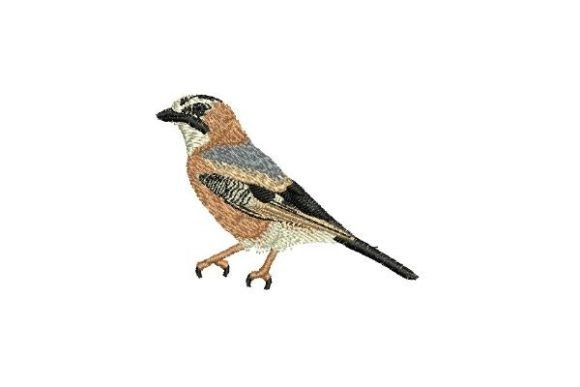
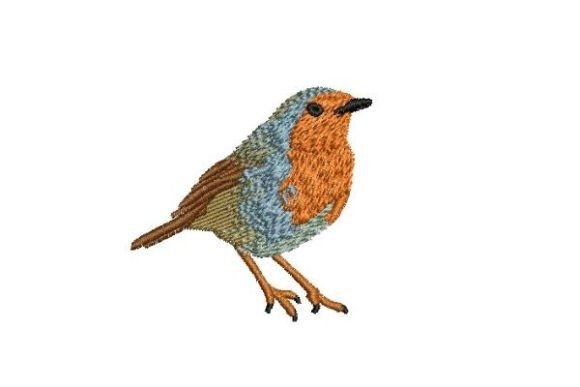
The first thing that strikes you about the Robin design is its charming, lifelike aesthetic. It does not rely on overly abstract shapes; instead, it aims for a naturalistic representation that fits beautifully within the niche of nature-inspired Embroidery. The visual mood is warm and inviting, making it an excellent candidate for spring collections or cozy home decor. For those of us selling on Etsy or at craft fairs, visual appeal is half the battle. A design that captures the delicate features of a bird without becoming too complex is a rare find.
The description notes that this piece is part of a set featuring nine avian designs, each meticulously crafted. While I am focusing specifically on the Robin here, the consistency across such collections often indicates a high standard of digitization. The decorative appeal lies in its balance between detail and simplicity. It is detailed enough to be recognizable and engaging but not so dense that it requires excessive thread consumption or long run times. This balance is crucial for maintaining profit margins in a commercial embroidery setting.
Practical Applications for Handmade Products
When evaluating a new embroidery file, I always ask myself: "Where does this belong?" The Robin design is incredibly versatile. Its organic shape and moderate size make it suitable for a wide range of substrates. Here are a few project ideas where this design would shine:
- Custom Apparel: Imagine this robin stitched on the left chest of a denim jacket or the sleeve of a linen shirt. It adds a touch of whimsy without overwhelming the garment.
- Tote Bag Design: Canvas bags are staples for handmade shops. A centered Robin motif creates an instant bestseller, especially when paired with earthy thread colors.
- Sweatshirt Embroidery: For cooler months, placing this design on a crewneck sweatshirt offers a boutique look that rivals big-brand retail items.
- Nursery Decor: The gentle nature of the bird makes it perfect for baby blankets, pillow covers, or wall hangings in a child’s room.
- Embroidered Patch: If you create patches for sale, this design could be scaled down effectively, provided the details remain clear.
For Creative Fabrica embroidery users, having a design that works across multiple product lines is invaluable. It allows for brand consistency. You can use the same motif on a kitchen towel, a cap, and a tote bag, creating a cohesive collection that encourages customers to buy more than one item.
Technical Considerations and Stitching Performance
While the visual promise is strong, the technical execution is what determines whether a design is usable. Since specific technical data like stitch count or exact file formats were not detailed in the brief description, I must advise fellow designers to check the product page thoroughly before downloading. However, based on the description of "professional" craftsmanship, we can anticipate certain characteristics.
Stitch Density and Fabric Choice
Bird designs often utilize a mix of satin stitch for outlines and fill stitch for the body. If the density is too high, it can cause puckering on lightweight fabrics like cotton voile or silk. I recommend testing the Robin design on a scrap piece of your intended fabric first. Use a appropriate stabilizer—cut-away for stretchy fabrics like sweatshirts and tear-away for stable woven fabrics like aprons or towels. This step is non-negotiable for maintaining the integrity of your handmade product.
Small Details and Hoop Size
The beak and eyes of a robin are tiny. If you plan to scale the design down significantly for a pocket logo or a small patch, ensure that these details do not become lost. Tiny lettering or intricate features can merge if the needle size is too large or if the fabric has a loose weave. Always confirm the recommended hoop size listed in the file details. Trying to force a design into a smaller hoop than intended can distort the proportions.
Curved Surfaces and Caps
Embroidering on caps presents unique challenges due to the curved surface. The Robin design, being relatively compact, should work well on the front panel of a baseball cap. However, you must use a stiff stabilizer to prevent the fabric from sinking into the stitches. Check the alignment carefully, as any distortion will be immediately visible on such a prominent accessory.
Enhancing Product Value and Brand Trust
Using high-quality designs like Robin directly impacts your brand perception. Customers can spot low-quality digitization from a mile away. Jagged edges, thread breaks, and poor color transitions erode trust. Conversely, a clean, crisp embroidery job signals professionalism. When you deliver a personalized gift or a custom item featuring a well-executed bird design, you are not just selling a product; you are selling an experience.
Photography plays a huge role here. A well-stitched Robin stands out in product photos. It catches the light differently depending on the thread sheen, adding depth to your images. This visual appeal drives engagement on social media and increases click-through rates on platforms like Etsy. For digital product sellers, creating printable mockup assets using this design can help visualize the end result for customers who may not have seen the physical item.
Final Verdict and Best Practices
The Robin embroidery design appears to be a solid addition to any designer’s library, particularly for those focusing on nature-themed or European-style aesthetics. To get the most out of this digital embroidery file, follow these practical steps:
- Read the License: Before selling any finished product, confirm the licensing terms on the Creative Fabrica product page. Ensure you are compliant with commercial use rules.
- Test Stitch: Always run a test on similar fabric to check for puckering or thread breaks.
- Color Contrast: Experiment with different thread colors. A traditional red breast against a navy background pops, but a monochromatic look can offer a modern twist.
- Check File Details: Verify the included formats (PES, DST, JEF, etc.) to ensure compatibility with your specific machine.
In conclusion, if you are looking to expand your design assets with reliable, charming motifs, the Robin design warrants a closer look. It offers the flexibility needed for diverse projects, from applique design elements to standalone motifs on tote bags and custom apparel. By paying attention to stabilizer choice and stitch density, you can transform this digital file into a tangible asset that boosts your sales and delights your customers.