Reviewing Funny Crazy Dog for Craft Fair Success
As an embroidery designer who has spent countless weekends behind a booth table, I know that not every machine embroidery design translates into a bestseller. Some designs look beautiful on a screen but fall flat in person. Others are technically complex but too slow to produce for a high-volume event. Today, I am reviewing Funny Crazy Dog, a design that promises to give your fabrics a charming update with a fun and quirky flair. I evaluated this piece specifically through the lens of a craft fair seller preparing for a busy market weekend.
First Impressions and Visual Appeal
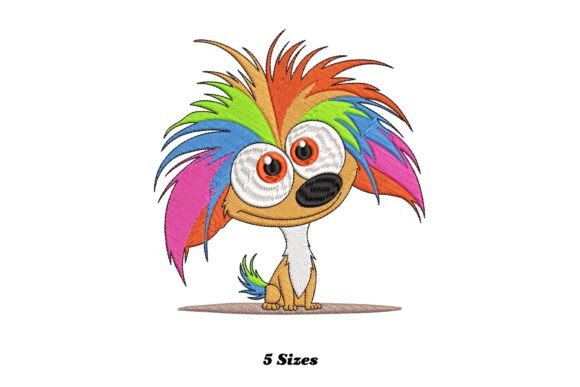
The immediate vibe of Funny Crazy Dog is playful and approachable. In the crowded world of Dogs themed merchandise, standing out requires personality. This design does not aim for regal portraiture or realistic detail. Instead, it leans into humor and charm. For a craft fair environment, this is a strategic advantage. Shoppers walking past booths are often looking for items that make them smile or remind them of their own pets’ silly antics. A design that feels bold and funny captures attention faster than something subtle or minimalist.
When I visualize this on a display table, it feels versatile. It is not strictly farmhouse, nor is it overly modern. It sits comfortably in the "giftability" category. This makes it ideal for impulse buys. The quirky nature suggests it would work well on items meant for daily use, where a bit of humor lightens the mood. However, because the description mentions adding a "fun and quirky flair," I would caution against using it on ultra-premium, formal home decor. It shines brightest on casual, functional goods.
Product Application and Market Fit
To determine if Funny Crazy Dog is worth my production time, I tested it mentally against my standard product lineup. Here is how it performs across different categories:
- Tote Bags and Market Bags: This is likely the strongest application. A large, centered tote bag design featuring a crazy dog character creates an instant conversation starter. Canvas takes embroidery well, and the durability of the stitch holds up to heavy use.
- Tea Towels and Aprons: Kitchen textiles are staple craft fair products. An apron embroidery or tea towel embroidery with this motif adds personality to utilitarian items. However, you must consider the fabric texture. Terrycloth towels can swallow small details, so ensure the design has enough spacing to remain clear on looped fabrics.
- Embroidered Patches: If the design scales down well, it could become a popular iron-on or sew-on patch. Patches are low-cost, high-margin small shop products that allow customers to customize their own jackets or bags later.
- Caps and Hats: Curved surfaces are tricky. If the design is wide, it may distort on a cap front. I would recommend testing this on a structured cap first to ensure the "crazy" elements do not look warped.
For Etsy sellers and digital creators, this design also serves as a strong visual hook for printable mockup listings. A funny dog sells itself in thumbnail images. If you are selling the digital embroidery file itself, ensure your preview images show the design on varied backgrounds to demonstrate versatility.
Production Practicality and Stitch Quality
From a production standpoint, speed and reliability are key. When preparing for a fair, I need designs that are repeatable. Funny Crazy Dog appears to be a focal design rather than an all-over pattern. This is good for batch production because you can hoop multiple items quickly without worrying about complex alignment marks.
However, there are careful-use notes to consider. Designs described as "quirky" often include expressive lines or varied thread colors. You must check the stitch density. If the design has dense areas meant to create shadow or depth, it may pucker lightweight fabrics like t-shirts. Always use the appropriate stabilizer. For knits, a cut-away stabilizer is usually safer than tear-away to prevent distortion after washing.
Another critical factor is size. The description mentions embellishing t-shirts and home decor, which implies a range of sizes. If you plan to use this as a small accent on a pocket or cuff, verify that the tiny details do not merge together. Small lettering or fine facial features can get lost if the design is scaled down too far. I recommend stitching a test sample at your smallest intended size on scrap fabric before committing to a full run of finished products.
Enhancing Brand Consistency and Buyer Engagement
Incorporating Funny Crazy Dog into your lineup can strengthen your brand if your aesthetic is lighthearted and pet-friendly. It signals to customers that your handmade product range has personality. In a booth setting, place these items at eye level. A funny dog on a pillow cover or tote draws people in, allowing you to engage them in conversation about their own pets. This emotional connection drives sales.
For online listings, use the design’s humor in your copy. Describe the mood. Is the dog winking? Is it tangled in yarn? Use those details to create a narrative. Buyers of commercial embroidery products often look for items that reflect their identity. A "crazy dog lover" wants gear that screams that passion loudly and proudly.
Designer Checklist for Final Production
Before you launch this design into your shop or onto your fair table, run through this quick checklist:
- Test on Scrap Fabric: Never skip this. Check for thread breaks or nesting.
- Check Thread Contrast: Ensure the dog stands out against your chosen fabric color. Dark threads on dark fabric will vanish.
- Confirm Hoop Size: The product description does not specify exact dimensions. Check your embroidery file metadata to ensure it fits your machine’s maximum hoop area.
- Review Licensing: If you are buying this as a design asset from a third party, confirm you have commercial licensing rights to sell the finished product. Do not assume; read the terms.
- Create Real Mockups: Photograph the actual stitched item, not just the digital render. Customers want to see the texture and sheen of the thread.
In conclusion, Funny Crazy Dog is a promising addition to a craft-focused inventory. It balances charm with commercial viability, provided you manage the technical aspects of stitch density and fabric choice. By placing it on high-visibility items like totes and aprons, you leverage its humor to drive engagement and sales. For the creative entrepreneur looking to add a splash of joy to their booth, this design is worth the hoop time.