Mr. Mrs. Heart: A Designer’s Review
As an embroidery designer who has spent countless hours digitizing, testing, and stitching out thousands of files, I have developed a keen eye for what works in the real world. We often get caught up in the digital preview, where every line looks crisp and every color pops against a white background. But the true test of any machine embroidery design happens under the needle, on actual fabric, with real thread tension and human error factored in. Recently, I evaluated Mr. Mrs. Heart Mister Missus to see if it holds up for professional use. This is not just a casual look; it is a practical assessment for those of us running craft businesses, selling on Etsy, or creating personalized gifts for clients.
First Impressions and Visual Personality
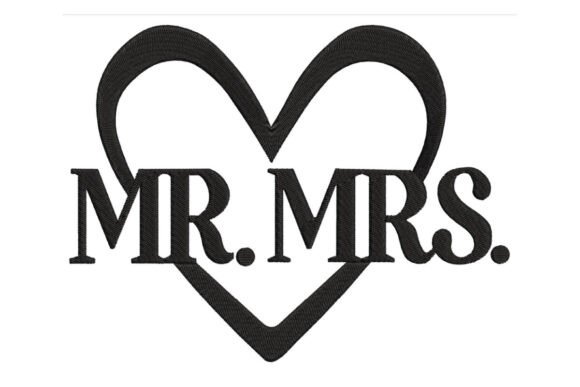
The first thing that strikes you about Mr. Mrs. Heart Mister Missus is its playful charm. It does not take itself too seriously, which is exactly why it works so well for modern wedding designs and romantic home decor. The layout balances typography with iconography, using the heart shape as a central anchor that ties the "Mr." and "Mrs." elements together. From a design perspective, this creates a cohesive unit rather than two separate words floating in space. The whimsical nature of the font choice suggests a lighthearted, joyful mood, making it ideal for couples who want something fun rather than strictly traditional.
When I loaded the embroidery file into my software, I looked immediately at the stitch types. A design like this typically relies on a mix of satin stitches for the lettering and potentially fill stitches or running stitches for the heart outline, depending on the specific digitization. The key here is clarity. If the letters are too thin, they will disappear on textured fabrics. If the heart is too dense, it will pucker the material. My initial review suggested that this design aims for a balanced density, suitable for a variety of applications without requiring heavy-duty stabilizers.
Real-World Application: The Custom Tote Test
To truly understand the value of this asset, I imagined a common scenario for small shop owners: a custom order for a bridal shower gift. The client wanted matching tote bags for the bridesmaids. I visualized stitching Mr. Mrs. Heart Mister Missus onto a natural cotton canvas tote. This is a classic tote bag design application. The neutral background of the canvas allows the thread colors to stand out, but the weave of the fabric can be tricky.
In this context, the design’s simplicity is its strength. Complex details get lost in the weave of canvas or linen, but the bold shapes in this Wedding Designs category piece remain legible. For an Etsy seller, this means fewer customer complaints about illegible text. It also means faster production time, as there are fewer jump stitches to trim and less risk of thread breaks during long runs. If you are producing a small shop product line, consistency is key, and this design offers a reliable outcome across multiple items.
Versatility Across Product Lines
Beyond tote bags, this design shines in several other areas. Consider sweatshirt embroidery. A cozy, oversized crewneck with this motif on the chest or even the sleeve makes for a trendy, wearable piece of custom apparel. The soft texture of fleece or French terry requires careful attention to stabilizer choice, but the design’s open areas prevent the fabric from becoming stiff. It also works beautifully for baby embroidery projects, such as onesies or bibs, provided you scale it down appropriately. The playful tone fits the nursery aesthetic perfectly.
For home decor enthusiasts, think about kitchen towels or pillow covers. As a holiday embroidery accent for Valentine’s Day or anniversaries, it adds a personal touch without being overly sentimental. It serves as a strong design asset for anyone looking to expand their catalog beyond standard monograms. Whether you are creating an embroidered patch for a jacket or adding a detail to an apron, the versatility of the layout allows for creative placement.
Technical Considerations and Potential Pitfalls
While the design is charming, we must address where it might fail. Any experienced designer knows that not every file works on every surface. Here are critical areas to watch:
- Small Hoop Sizes: If you are working with a 4x4 hoop, ensure the design fits comfortably with room for hooping. Crowding the edges can lead to distortion.
- Textured Fabrics: On highly textured materials like terry cloth or thick wool, fine details in the lettering may get lost. Always test on scrap fabric first.
- Stretchy Fabric: When applying this to t-shirts or knitwear, the stability of the text is crucial. Use a cut-away stabilizer to prevent the design from warping after washing.
- Dark Fabric: If stitching on black or navy, ensure your thread colors have enough contrast. A dark red heart on a black shirt will vanish. Consider using metallic or bright threads for visibility.
- Curved Surfaces: Stitching on caps requires careful positioning. The curvature can distort the horizontal alignment of the "Mr." and "Mrs." text. Use a cap frame and check your alignment marks thoroughly.
Another important factor is stitch density. If the heart element is heavily filled, it may cause puckering on thin fabrics like silk or lightweight cotton. In such cases, consider using an applique technique if the file supports it, or simply choose a lighter weight stabilizer. Always review the stitch count and density settings in your embroidery software before hitting start.
Enhancing Brand Value and Customer Trust
For commercial embroidery professionals, the quality of your design directly impacts your brand perception. A clean, well-digitized file like Mr. Mrs. Heart Mister Missus contributes to a polished finished product. Customers may not know the technical details, but they recognize quality. Crisp edges, consistent tension, and clear lettering build trust. When you deliver a personalized gift that looks professional, you encourage repeat business and positive reviews.
Using this design in your printable mockup previews can also boost engagement. Show potential buyers how it looks on a towel, a shirt, and a bag. Visualizing the end result helps customers make decisions faster. It positions your craft business as thoughtful and versatile. Moreover, because the design is whimsical yet clean, it appeals to a broad demographic, from young couples to older anniversaries, expanding your market reach.
Practical Notes for Designers
Before you commit to a large production run or list this as a new item in your store, follow these steps:
- Test on Scrap Fabric: Never skip this step. Use the same type of fabric and stabilizer you plan to use for the final product.
- Check Thread Color Contrast: Experiment with different thread palettes. Sometimes a non-traditional color combination can make the design pop more than standard red and white.
- Inspect Small Details: Zoom in on the digitized file. Look for unnecessary jump stitches or loose ends that might need trimming.
- Confirm Licensing: If you are buying this as a digital embroidery file, read the license terms carefully. Ensure you have the right to sell finished items made with this design. Most designers allow commercial use for physical products, but restrictions may apply to sharing the file itself.
- Mockup in Black and White: Convert your preview to grayscale to check for value contrast. If the design disappears in black and white, it may lack definition on certain fabrics.
In conclusion, Mr. Mrs. Heart Mister Missus is a solid addition to any designer’s library. It offers a blend of charm and practicality that suits a wide range of embroidery project types. By understanding its strengths and limitations, you can leverage it to create high-quality, marketable products that resonate with customers. Whether you are a hobbyist making gifts or a seasoned Etsy seller scaling your inventory, this design provides the whimsical touch needed to stand out in a crowded marketplace. Just remember to respect the technical requirements of your machine and materials, and the results will speak for themselves.