Lovely Baby: A Designer’s Review for Boutique Sweatshirts
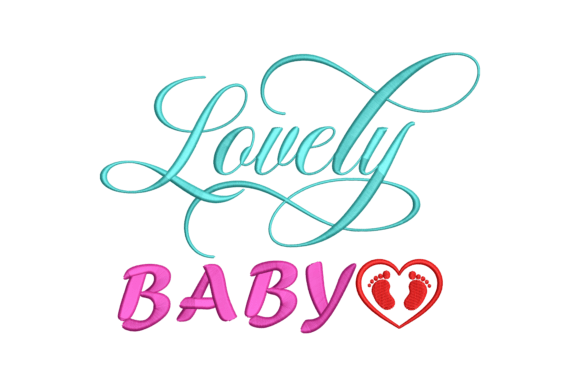
As an embroidery designer who has spent years refining digitizing techniques for small clothing brands, I approach every new machine embroidery design with a critical eye. It is not just about whether the image looks cute on a screen; it is about how that design translates to fabric, how it withstands washing, and whether it elevates the perceived value of the garment. Recently, I had the opportunity to test Lovely Baby, a charming embroidery file featuring cute baby feet, for a limited-edition sweatshirt drop intended for a boutique brand specializing in cozy, gender-neutral apparel.
The premise was simple: create a capsule collection that feels personal, high-quality, and emotionally resonant. The Lovely Baby Embroidery Design promised exactly that—a personal touch suitable for clothing or home decor. But does it hold up under the scrutiny of commercial apparel production? Here is my detailed evaluation from the perspective of a professional preparing this asset for real-world application.
First Impressions and Aesthetic Mood
Upon loading the Lovely Baby file into my digitizing software, the immediate impression was one of softness and playfulness. The motif of baby feet is universally recognized as a symbol of innocence and new beginnings, making it a powerful visual anchor for any brand targeting parents or gift-givers. The layout appears balanced, avoiding the clutter that often plagues lesser-quality digital embroidery files.
For a project categorized under Boys or general infant wear, the design strikes a delicate balance. It is not overly frilly or distinctly feminine, nor is it aggressively bold. Instead, it leans into a minimal, decorative aesthetic that works beautifully across various color palettes. The stitching personality suggests a clean, satin-stitch dominant approach with potential fill areas that provide depth without excessive bulk. This is crucial because nobody wants a stiff, cardboard-like patch on a soft, premium sweatshirt.
Application on Premium Sweatshirts and Hoodies
The true test of any sweatshirt embroidery design is how it interacts with different fabric weights and colors. For this boutique project, we selected heavyweight, neutral-toned cotton blends. On oatmeal, sage green, and slate grey fabrics, Lovely Baby popped with surprising elegance. The contrast between the thread colors and the fabric texture created a tactile experience that buyers love to touch.
When considering placement, the versatility of this hoodie design became apparent. While a large back design might overwhelm the subtle charm of baby feet, placing it on the left chest area created a sophisticated, branded look. We also experimented with sleeve accents, positioning a smaller version near the cuff. This unexpected placement turned a standard hoodie into a unique piece of custom apparel, increasing its appeal to customers looking for something beyond basic retail offerings.
On darker fabrics, such as navy or charcoal, the design required careful selection of thread colors. Light pastels provided excellent visibility, but we had to ensure the stitch density was sufficient to cover the dark background without causing puckering. Conversely, on pastel-colored sweatshirts, using slightly deeper tones for the outline helped define the shape, ensuring the cute baby feet remained readable from a distance.
Technical Considerations for Commercial Use
For any Etsy seller or small shop owner, technical reliability is non-negotiable. A failed stitch can ruin an expensive garment and damage your reputation. When reviewing Lovely Baby, I focused on several key production factors:
- Stitch Density: The design appeared to have a moderate density, which is ideal for fleece and terry cloth. Overly dense stitches can cause the fabric to pucker or tear, while too few stitches may look sparse and unprofessional. This design seemed optimized for stability on medium-to-heavyweight fabrics.
- Stabilizer Choice: Given the stretch nature of sweatshirt material, using a cut-away stabilizer is essential. I recommend pairing this design with a soft, breathable cut-away to maintain the garment's comfort while supporting the embroidery structure.
- Small-Size Readability: If you plan to scale down Lovely Baby for tags or small accessories, check the minimum hoop size requirements. Fine details in the toes need enough space to breathe. Always run a test stitch on scrap fabric before committing to final production.
- Washing Durability: The continuity of the lines suggests good durability. However, always advise customers to wash inside out in cold water to preserve the vibrancy of the threads and the integrity of the fabric texture.
It is important to note that while the product description highlights its suitability for clothing and home decor, specific technical details such as exact stitch count, available file formats, and recommended hoop sizes were not explicitly provided in the initial brief. As a professional, I strongly remind fellow designers to verify these specifications in the actual digital embroidery file package before starting production. Knowing whether you are working with PES, DST, or JEF formats can save hours of conversion headaches.
Elevating Brand Identity and Product Value
Beyond the technical execution, Lovely Baby serves as a strategic asset for brand building. In the crowded marketplace of handmade products, visual recognition is key. A consistent, high-quality embroidery motif helps establish a signature style. When customers see that distinct, well-executed baby feet design, they begin to associate it with your brand’s commitment to quality and care.
For lifestyle product photography, this design offers excellent opportunities. Close-up shots highlighting the texture of the embroidery against the softness of the sweatshirt can significantly boost customer engagement. These images tell a story of craftsmanship and attention to detail, which justifies a higher price point. Whether you are creating a printable mockup for your online store or staging a real-life photoshoot, the clean lines of Lovely Baby photograph beautifully, reducing the need for heavy editing.
Furthermore, this design supports the narrative of a boutique brand that values personalization. It allows for easy customization—perhaps adding a name below the feet or varying the thread colors to match seasonal trends. This flexibility makes it a valuable addition to your library of design assets, enabling you to offer varied products without constantly sourcing new motifs.
Final Verdict for Small Business Owners
In conclusion, Lovely Baby is a strong contender for any embroidery designer looking to expand their small shop product line. It bridges the gap between cute and commercial, offering a design that is emotionally appealing yet technically sound for commercial embroidery applications. Its adaptability across different garment types, from oversized hoodies to cozy seasonal apparel, makes it a versatile tool in your creative arsenal.
For those ready to elevate their handmade product offerings, this embroidery file provides the perfect blend of charm and professionalism. Just remember to conduct thorough test runs, choose your stabilizers wisely, and let the quality of your stitching speak for itself. With careful execution, Lovely Baby can become a staple in your collection, driving buyer trust and enhancing your brand’s visual identity in the competitive world of custom apparel.