Love Cats with Little Hearts: A Designer’s Review
As a designer who has spent countless hours digitizing and stitching out thousands of patterns, I have developed a keen eye for what works in the real world versus what only looks good on a screen. When I first loaded the Love Cats with Little Hearts machine embroidery design into my software, my initial reaction was one of cautious optimism. The concept is undeniably charming, tapping into the universal appeal of feline companionship mixed with affectionate symbolism. However, charm alone does not make a viable commercial product. I needed to know if this design would hold up under the needle, maintain its integrity across different fabrics, and ultimately satisfy the end customer.
First Impressions and Visual Personality
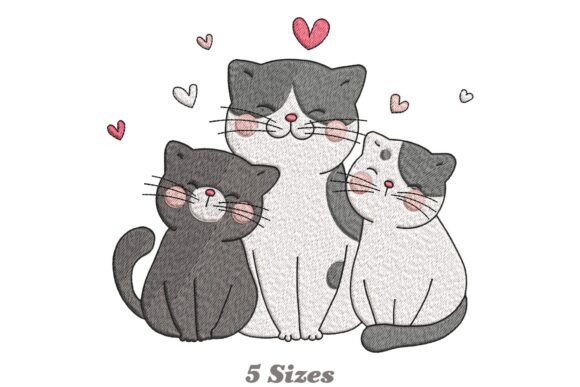
The layout of this embroidery file strikes a balance between whimsy and clarity. The silhouette of the cats is distinct, avoiding the muddy look that often plagues overly complex animal designs. The inclusion of little hearts adds a layer of narrative without cluttering the composition. From a visual standpoint, the design creates a mood of warmth and playfulness. It feels organic rather than rigid, which is crucial for projects intended to evoke emotion, such as personalized gifts or holiday decor.
For an Etsy seller or small shop owner, visual appeal is the primary driver of clicks. This design has strong thumbnail potential because the shapes are recognizable even at a small scale. The contrast between the cat figures and the heart elements provides enough visual interest to stand out in a crowded marketplace. It does not rely on excessive detail that might get lost in translation during the stitching process, which is a common pitfall for many digital embroidery files.
Real-World Application: The Tote Bag Test
To truly evaluate Love Cats with Little Hearts, I moved beyond the digital preview and prepared a real-life test. I chose a canvas tote bag as my substrate, a popular item for craft businesses and boutique branding. Canvas offers a stable weave that generally handles stitch density well, but it can be unforgiving if the design pulls or distorts.
I hooped the fabric with a medium-weight cut-away stabilizer to ensure longevity, especially since tote bags are subjected to frequent washing and heavy loads. As the machine began stitching, I watched closely for thread breaks or bird nests. The transition between the fill stitch areas of the cats’ bodies and the satin stitch outlines of the hearts was smooth. There were no excessive jump stitches that would require tedious trimming later, a significant time-saver for anyone producing items in bulk.
The finished product was crisp. The cats retained their playful posture, and the hearts popped against the fabric texture. This success suggests that the design is highly suitable for sweatshirt embroidery, aprons, and pillow covers where durability and visual clarity are paramount. For a Valentine S Day promotion or a year-round cat lover’s collection, this design delivers a professional finish that builds customer trust.
Navigating Fabric Challenges and Hoop Constraints
While the design performed beautifully on canvas, I must address where caution is necessary. Embroidery is not one-size-fits-all. If you plan to use this on thin or stretchy fabrics, such as lightweight t-shirts or baby clothes, the stitch density becomes a critical factor. Dense areas can cause puckering if not properly supported. I recommend using a tear-away stabilizer for woven fabrics and a cut-away for knits to prevent distortion over time.
Additionally, consider the hoop size. While the design is versatile, placing it on curved surfaces like caps requires careful positioning. The center of the design should align with the crown’s peak to avoid wrapping around the sides, which can distort the image. For dark fabrics, thread color contrast is essential. A light-colored thread for the cats against a navy or black background will ensure the details remain visible. Conversely, on light fabrics, ensure your thread colors are vibrant enough to stand out without looking washed out.
Small details, such as the eyes or tiny accents within the hearts, may require finer needles and high-quality thread to prevent breakage. Always test the design on scrap fabric first. This simple step can save you from ruining expensive garments or losing money on wasted materials. Check how the design looks in black and white mockups to ensure the contrast holds up even without color differentiation.
Commercial Viability and Brand Consistency
For commercial embroidery projects, consistency is key. Whether you are creating embroidered patches for a local cafe or personalized gifts for a wedding party, the design must look identical every time. Love Cats with Little Hearts demonstrates reliable repeatability. The stitch paths are logical, reducing the chance of variation between runs. This reliability is crucial for maintaining brand consistency and professionalism.
From a marketing perspective, this design fits seamlessly into various niches. It works for holiday embroidery campaigns, particularly around Valentine S Day, but its appeal extends beyond a single season. Cat lovers are a dedicated demographic, and products featuring this design can serve as evergreen inventory for your online store. Use it in printable mockups to showcase potential applications on mugs, shirts, and home decor, helping customers visualize the final product before purchasing.
Practical Notes for Designers and Makers
Before integrating this embroidery file into your workflow, keep these practical tips in mind:
- Check Licensing: Confirm whether the license allows for commercial use if you plan to sell finished items. Never assume; always read the terms provided with the digital embroidery file.
- Thread Selection: Use high-quality polyester or rayon threads to achieve a shiny, professional look. Matte threads may work for a rustic aesthetic but check the sheen compatibility with your brand style.
- Stabilizer Choice: Match your stabilizer to your fabric. Heavy fabrics need less support, while delicate materials require robust stabilization to prevent puckering.
- Needle Maintenance: Use a fresh embroidery needle for each project to ensure clean punctures and reduce thread friction.
- Test Stitching: Always run a test on similar fabric to check for registration issues or tension problems.
In conclusion, Love Cats with Little Hearts is a solid addition to any designer’s library. It balances aesthetic appeal with technical practicality, making it suitable for a wide range of handmade products. By understanding its strengths and limitations, you can leverage this design to create high-quality, engaging items that resonate with customers and enhance your craft business reputation.