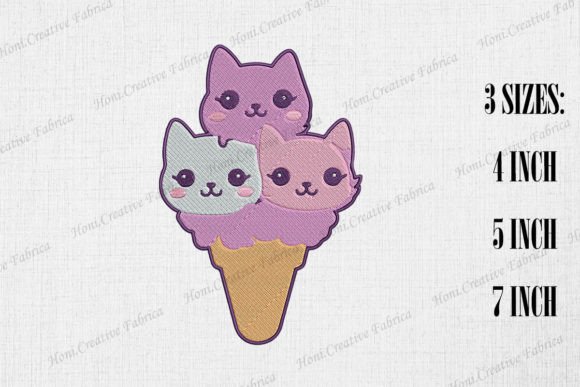
Cute Ice Cream Cat: A Designer’s Practical Review
As an embroidery designer who has spent years digitizing patterns and stitching thousands of test runs, I approach every new machine embroidery design with a critical eye. It is not enough for a motif to look adorable on a screen; it must hold up under the needle, survive the wash, and appeal to the end customer. Recently, I evaluated the Cute Ice Cream Cat design to determine its viability for real-world projects. This is not just a review of aesthetics, but a breakdown of how this specific embroidery file performs in a professional setting.
First Impressions and Visual Personality
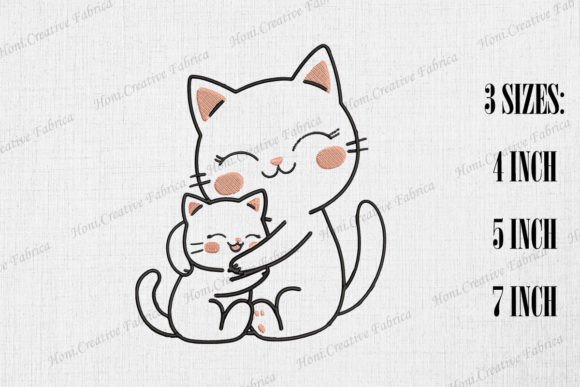
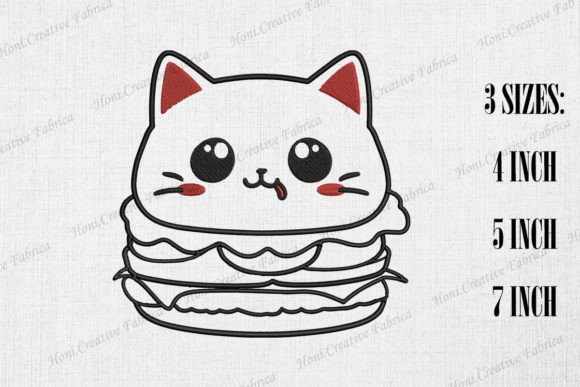
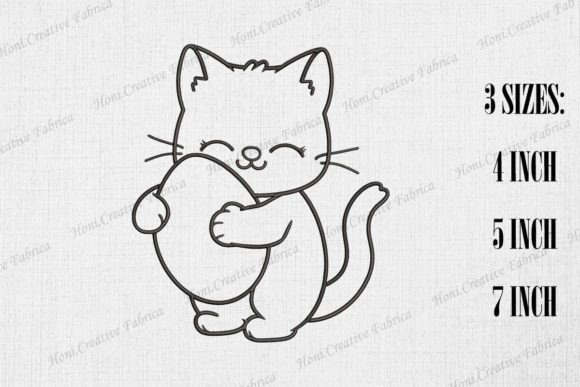
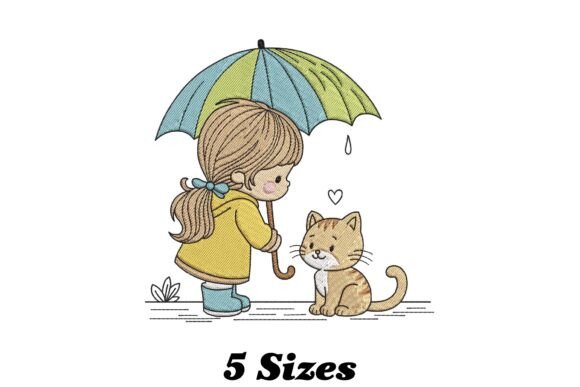
The immediate appeal of the Cute Ice Cream Cat lies in its whimsical fusion of two universally loved subjects: felines and frozen treats. The layout balances playful curves with recognizable shapes, creating a mood that is lighthearted and inviting. For designers, the visual personality here is key. It does not rely on excessive complexity or hyper-realism. Instead, it uses simplified forms that translate well into thread. The theme suggests summer joy, comfort, and sweetness, making it a natural fit for seasonal collections or year-round cheerful accents.
When examining the detail level, I look for potential pitfalls. Does the design have too many tiny, isolated stitches that might pull out? In this case, the shapes appear robust enough to withstand standard production speeds. The visual balance between the cat figure and the ice cream element creates a cohesive unit rather than two disjointed images. This cohesion is vital for maintaining a professional look in the finished product.
Real-World Application: The Tote Bag Test
To truly understand the value of this design, I imagined a specific client scenario. A local boutique owner wanted a line of reusable canvas tote bags for a summer market. She needed something that would catch the eye of young parents and gift-buyers without looking childish or cheap. The Cute Ice Cream Cat was my top contender.
I visualized the design centered on a natural cotton canvas bag. The contrast between the colorful thread and the neutral fabric would allow the satins stitch edges to pop. For a project like this, the design’s scale is crucial. It needs to be large enough to be seen from a distance but small enough to fit within a standard 5x7 or 6x10 hoop without requiring excessive re-hooping or complex positioning. The simplicity of the design means it stitches out relatively quickly, which is a significant factor for small business owners managing production time.
Versatility Across Product Categories
Beyond tote bags, this design demonstrates remarkable flexibility. Here is how it performs across various common embroidery applications:
- Custom Apparel: On a white t-shirt or a pastel sweatshirt, the design acts as a charming chest pocket accent. It avoids the heaviness of large back prints, keeping the garment breathable and comfortable.
- Baby Items: For baby onesies or burp cloths, the soft theme is ideal. However, one must ensure the stitch density is appropriate for delicate skin. A soft backing or cut-away stabilizer is recommended to prevent irritation.
- Home Decor: Imagine this stitched onto a kitchen towel or a linen napkin. It adds a touch of personality to utilitarian items. For tablecloths, ensure the design is scaled correctly to avoid distortion on larger fabric areas.
- Embroidered Patches: This motif works exceptionally well as a standalone patch. The clear outlines allow for clean cutting and merrowed edges, creating a durable accessory that can be ironed or sewn onto jackets and hats.
For Etsy sellers and craft business owners, this versatility is a major selling point. You can create a cohesive brand aesthetic by using the same digital embroidery file across multiple product lines, from nursery decor to holiday gifts.
Technical Considerations and Fabric Choices
While the design is forgiving, it is not immune to technical errors. When working with textured fabrics like terry cloth towels, the finer details might get lost. In such cases, increasing the stitch count slightly or using a thicker thread weight can help maintain visibility. Conversely, on thin or stretchy fabrics like jersey knits, proper stabilization is non-negotiable. Without a quality stabilizer, the fabric may pucker around the denser areas of the ice cream scoop or the cat’s body.
Dark fabrics present another challenge. If you plan to stitch this on navy or black apparel, you must carefully select your thread colors. Light pastels will stand out beautifully, but ensure there is enough contrast between the different elements of the design so they do not blend into one another. Testing a sample on scrap fabric of the same color and texture is always the best practice before committing to a final product.
Stitching Clarity and Detail Management
The success of any applique design or filled motif depends on the clarity of the stitches. In the Cute Ice Cream Cat, the transition between different color blocks should be smooth. Look for jagged edges or gaps in the preview. If the design uses fill stitch patterns, ensure they are dense enough to cover the fabric completely but not so dense that they cause thread breaks or fabric distortion. Running stitch outlines, if present, should be precise and serve to define the shape without adding unnecessary bulk.
Commercial Viability and Brand Consistency
For those using this design in commercial embroidery projects, consistency is key. Customers trust brands that deliver high-quality, consistent products. Using a well-digitized design like this helps build that trust. It looks professional, which justifies a higher price point for handmade products. Whether you are creating personalized gifts for weddings or stocking your small shop with seasonal merchandise, the perceived value of the item is directly linked to the quality of the embroidery.
Moreover, the "cuteness" factor drives engagement. In social media marketing, images of embroidered items often perform better when they feature recognizable, appealing characters. The Cute Ice Cream Cat is highly shareable, which can boost visibility for your design assets and finished goods.
Final Designer Notes
Before you begin your next project with this design, keep these practical tips in mind:
- Check Licensing: Always confirm the license terms provided with the machine embroidery design. Ensure you have the right to use it for commercial purposes if you plan to sell the finished items.
- Test on Scrap: Never stitch directly on your final garment. Use a similar fabric scrap to test tension, thread breaks, and registration.
- Review Hoop Size: Confirm that the design fits within your machine’s maximum hoop size. If resizing is necessary, do so cautiously to avoid distorting the proportions.
- Color Contrast: Create a black and white mockup of the design to check for value contrast. If elements disappear in grayscale, they may lack definition in thread.
- Stabilizer Choice: Match your stabilizer to your fabric. Use tear-away for stable woven fabrics and cut-away for stretchy knits to ensure longevity.
In conclusion, the Cute Ice Cream Cat is a strong addition to any designer’s library. It balances charm with technical practicality, making it suitable for a wide range of applications from baby clothes to home decor. By paying attention to fabric choice, stabilization, and thread selection, you can produce high-quality, professional results that delight customers and enhance your brand reputation.